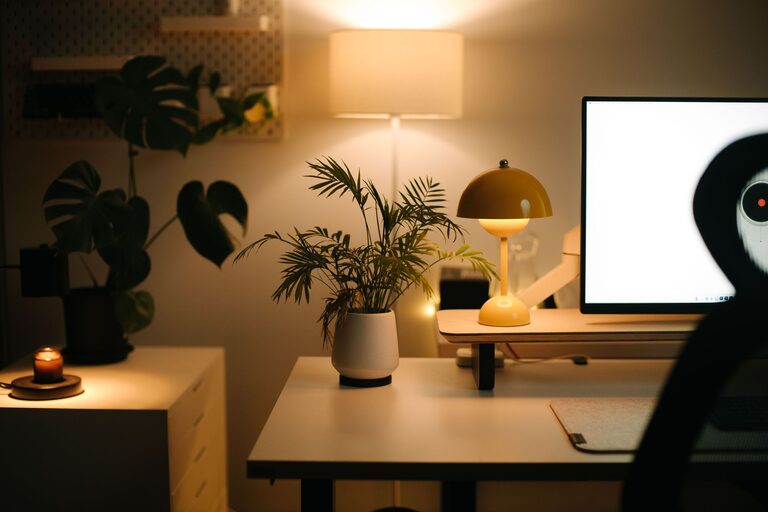
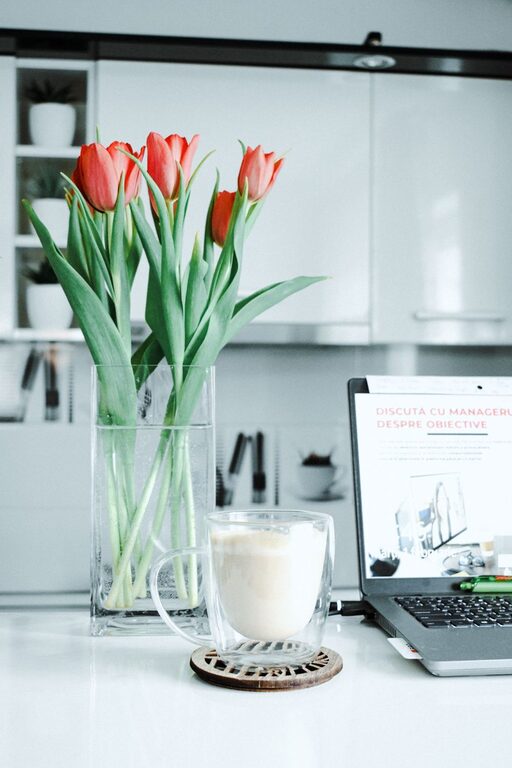
Creating a relaxing home workspace is essential for maintaining productivity, focus, and overall well-being. Whether you work remotely full-time or occasionally handle tasks at home, the environment you craft can impact your efficiency and mood. In this post, we’ll explore practical tips to help you design a home workspace that promotes relaxation while boosting your ability to get things done.
Why a Relaxing Workspace Matters
A cluttered or stressful environment can contribute to distractions, fatigue, and reduced productivity. On the other hand, a workspace that feels calm and inviting can help you stay motivated, think clearly, and maintain energy throughout the day. By intentionally creating a soothing setting, you give yourself a better chance to work comfortably and effectively.
Choose the Right Location
Find a Dedicated Space
Identify a spot in your home that can serve as your primary workspace. A dedicated area minimizes disruptions and helps your brain associate that space with work. This separation is especially important if you live in a shared environment or don’t have a separate room for a home office.
Maximize Natural Light
Natural light is known to improve mood and energy. Position your desk near a window if possible, but avoid glare on your screen. If natural light is limited, invest in soft white bulbs that mimic daylight to create a warm, inviting ambiance.
Design for Comfort and Function
Ergonomic Furniture
Choose a comfortable chair with good back support and a desk at the right height to avoid strain. Ergonomics play a critical role in preventing discomfort and fatigue during long work hours.
Keep Supplies Within Reach
Organize necessary work tools and supplies so they are easily accessible. This reduces frustration and keeps your workflow smooth.
Use Calming Colors
Colors affect how we feel and behave. Soft blues, greens, or neutrals tend to have calming effects, while overly bright or dark colors may be distracting. Choose a color scheme that soothes your mind.
Reduce Clutter and Stay Organized
Declutter Regularly
A cluttered desk or workspace can add to stress. Stick to the essentials on your desk and store everything else neatly. Make it a habit to tidy your workspace daily or weekly.
Use Storage Solutions
Drawers, shelves, and containers help keep items organized and your desk clear. Label storage bins to quickly find what you need.
Digitize Paperwork
Where possible, store documents digitally to minimize piles of paper. Use cloud storage or dedicated folders to keep everything organized.
Incorporate Nature and Personal Touches
Add Plants
Indoor plants can improve air quality and create a peaceful atmosphere. Choose low-maintenance varieties like succulents or snake plants.
Display Inspiring Items
Family photos, artwork, or motivational quotes add personality to your space and can lift your spirits during work.
Use Aromatherapy
Subtle scents from essential oils or candles—like lavender or eucalyptus—may promote relaxation and concentration. Just be sure they aren’t overpowering.
Manage Noise Levels
Use Noise-Canceling Tools
If you work in a noisy environment, noise-canceling headphones or white noise machines can help block distractions.
Control Ambient Sounds
Some people find soft background music helpful, while others prefer silence. Experiment with sounds that enhance your focus without overwhelming you.
Establish Healthy Work Habits
Take Regular Breaks
Step away from your desk periodically to rest your eyes and stretch. Brief breaks improve focus and prevent burnout.
Maintain Good Posture
Sit upright and adjust your workstation to reduce strain. Stretch your neck, shoulders, and back to stay comfortable.
Set Boundaries
Define clear work hours and stick to them. Ending your workday in a dedicated space helps your mind separate work from personal time.
Maintain Clean Air and Temperature
Ventilate Your Workspace
Fresh air can reduce stuffiness and keep you alert. Open a window when possible or use an air purifier.
Control Temperature
Work in a room that’s neither too hot nor too cold. Comfort helps you focus and minimizes distractions related to discomfort.
—
Creating a relaxing home workspace is about blending comfort, organization, and personal touches to support your productivity. Start small—maybe by adding a plant or decluttering your desk—and gradually transform your space into a haven that helps you do your best work. With the right environment, you’ll find that your focus and motivation naturally improve.