Creating a relaxing home office environment is essential for maintaining focus, reducing stress, and enhancing productivity. Whether you work remotely full-time or occasionally need a quiet spot for tasks, designing a space that feels comfortable and calming can make a significant difference. In this post, we’ll explore practical tips to help you transform any corner of your home into a peaceful, efficient workspace.
Why a Relaxing Home Office Matters
Working from home offers flexibility but also presents challenges like distractions and blurred boundaries between work and personal life. A well-arranged office space supports mental clarity, keeps you motivated, and prevents burnout. When your environment feels inviting and organized, it’s easier to settle into work mode and maintain a positive mindset throughout the day.
Start with the Basics: Location and Lighting
Choose the Right Spot
Consider a quiet area with minimal foot traffic and noise. If possible, select a room with a door to limit interruptions. If space is limited, find a nook or corner that allows you to set up a dedicated desk and chair. The key is to have a designated workstation separate from leisure areas.
Maximize Natural Light
Natural light positively affects mood and alertness. Position your desk near a window to take advantage of daylight. Avoid glare on your screen by adjusting the window coverings or angling your desk slightly. If your room lacks natural light, invest in full-spectrum bulbs that mimic daylight to reduce eye strain.
Furnish for Comfort and Function
Ergonomic Furniture
Choose a chair with good lumbar support and adjustable height to keep your posture healthy. Your desk should be at a height that allows your forearms to rest comfortably parallel to the floor. Investing in ergonomic furniture helps prevent aches and ensures long hours remain comfortable.
Add Personal Touches
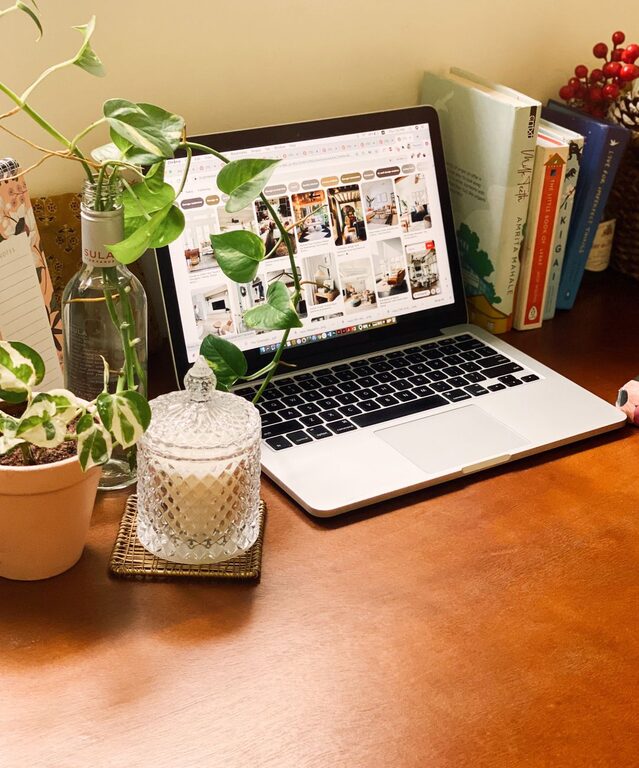
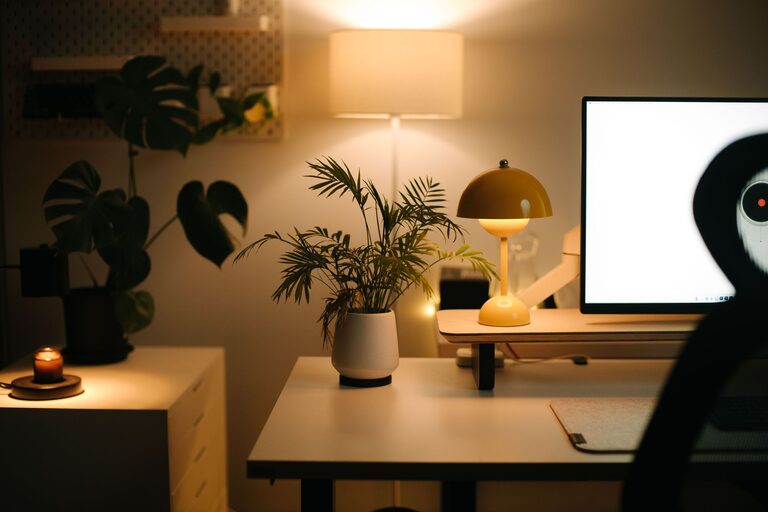
Incorporate favorite artwork, plants, or decorative objects that inspire and soothe you. Personalizing your space helps create a positive emotional connection, making your office feel inviting rather than clinical.
Organize to Reduce Clutter and Stress
Keep Essential Items Within Reach
Store frequently used supplies like pens, notebooks, or chargers in accessible drawers or organizers. Having what you need close by prevents frustration and distractions.
Use Storage Solutions
Shelves, filing cabinets, or storage boxes help keep papers and gadgets neatly out of sight. A clutter-free environment promotes concentration and a sense of calm.
Daily Tidying Ritual
Spend a few minutes at the end of each workday clearing your desk and organizing materials. This simple habit sets a clean slate for the next day and reduces stress.
Create a Soothing Atmosphere
Choose Calming Colors
Soft, neutral tones like pale blues, greens, or warm grays tend to be relaxing and easy on the eyes. Avoid overly bright or harsh colors that can cause fatigue or distraction.
Incorporate Plants
Indoor plants improve air quality and bring a touch of nature indoors. Low-maintenance options like snake plants, pothos, or succulents are great choices for busy professionals.
Use Sound to Your Advantage
If you find silence distracting, consider playing soft background music or nature sounds. Noise-canceling headphones can also help block out household noises.
Manage Technology Efficiently
Smart Cable Management
Tidy cables using clips, ties, or sleeves to keep your desk neat and prevent tangles.
Quality Equipment
Invest in reliable devices like a good monitor, keyboard, and mouse. Quality tools reduce frustration during work and improve overall comfort.
Set Screen Break Reminders
Use apps or timers to remind you to take regular breaks from screen time. Short pauses help reduce eye strain and keep your mind fresh.
Incorporate Break and Relaxation Zones
Separate Area for Breaks
If space allows, add a comfortable chair or small sofa nearby for resting during breaks. Changing your environment briefly can refresh your focus.
Practice Mindfulness or Stretching
Keep simple tools like a yoga mat or stress ball within reach. Taking moments to stretch or practice deep breathing supports mental and physical well-being.
Maintain a Healthy Daily Routine
Set Work Hours
Define clear start and end times for your workday. This helps create boundaries and prevents overworking.
Keep Hydrated and Eat Well
Have a water bottle nearby and plan healthy snacks. Staying nourished supports energy and concentration.
Regular Cleaning
Clean your workspace regularly to maintain a fresh and inviting atmosphere.
Final Thoughts
A relaxing home office environment is achievable with thoughtful planning and small changes. By prioritizing comfort, organization, and a soothing aesthetic, you create a workspace that supports both your productivity and well-being. Start by experimenting with a few tips from this guide and adjust your setup until it perfectly fits your needs. Your mind and body will thank you!