
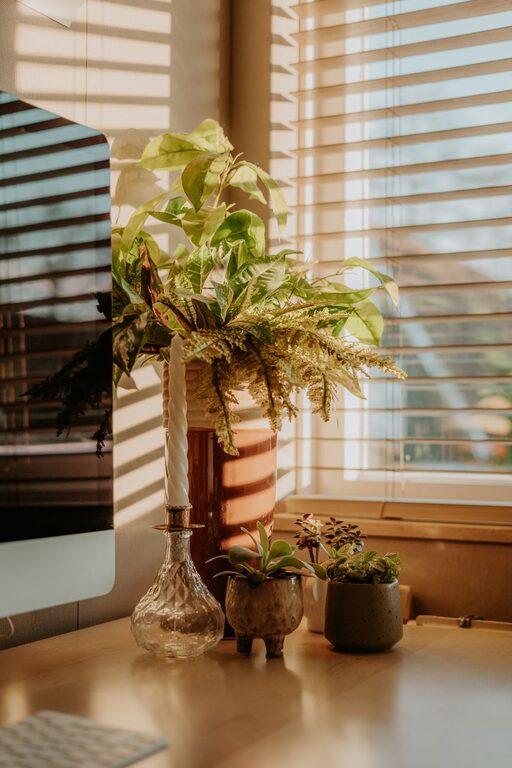
Creating a relaxing home office environment is key to maintaining focus, reducing stress, and boosting productivity. Whether you work from home full-time or occasionally need a quiet space, designing an office that promotes calm and comfort can make a big difference. Here are practical tips to help you build an inviting workspace where you can feel both relaxed and motivated.
1. Choose the Right Location
Finding the ideal spot for your home office is the first step. Consider a quiet area where interruptions are minimal. If possible, select a space with natural light, as exposure to daylight can improve mood and energy levels.
Tips for Selecting Your Office Space:
– Avoid high-traffic zones in your home.
– Look for a room or corner with a door to close off distractions.
– Ensure there is enough room for your desk, chair, and storage needs.
2. Invest in Comfortable, Ergonomic Furniture
Comfort plays a major role in creating a relaxing environment. Invest in a chair that supports your posture and a desk at the right height.
What to Look for:
– Adjustable office chairs with lumbar support.
– Desks that allow for proper arm placement and screen height.
– Consider a sit-stand desk if you like to mix sitting and standing.
3. Organize and Declutter Your Space
A cluttered desk can lead to a cluttered mind. Keep your workspace tidy by organizing your essentials and removing unnecessary items.
Organizational Tips:
– Use shelves, drawers, or filing systems to keep papers and supplies organized.
– Keep only daily necessities on your desk.
– Incorporate storage boxes or trays to gather small items.
4. Incorporate Calming Colors
Color influences mood and productivity. Choose soothing colors for your walls and decor to create a peaceful atmosphere.
Recommended Colors:
– Soft blues and greens are known to reduce stress.
– Neutral tones like beige or light gray create a calm backdrop.
– Avoid overly bright or harsh colors that may cause distraction.
5. Add Natural Elements
Bringing nature into your workspace can increase relaxation and creativity.
Ideas to Incorporate Nature:
– Place a few small indoor plants on your desk or shelves.
– Use natural materials like wooden furniture or stone accents.
– If possible, position your desk near a window with an outdoor view.
6. Use Proper Lighting
Good lighting is essential for reducing eye strain and maintaining energy.
Lighting Suggestions:
– Maximize natural light during the day.
– Use adjustable desk lamps with warm light to reduce glare.
– Avoid overhead fluorescent lighting that can be harsh and tiring.
7. Minimize Noise and Distractions
Background noise can interrupt your concentration. Find ways to create a quieter environment.
Ways to Reduce Noise:
– Use noise-canceling headphones or white noise machines.
– Add soft furnishings like rugs and curtains that absorb sound.
– Inform family members or roommates of your work hours.
8. Personalize Your Space Thoughtfully
Adding personal touches can make your home office feel welcoming.
Ideas for Personalization:
– Display motivational quotes or artwork you enjoy.
– Keep a few photos or mementos that inspire you.
– Use a decorative but functional calendar or planner.
9. Keep Technology User-Friendly
Make sure your devices and connectivity support a smooth workflow without frustration.
Technology Tips:
– Invest in a reliable internet connection.
– Use wireless peripherals to reduce cable clutter.
– Keep cords organized with clips or sleeves.
10. Establish a Routine and Boundaries
Creating boundaries between work and personal life helps maintain relaxation beyond your office design.
Routine and Boundary Tips:
– Set regular work hours and stick to them.
– Take regular breaks to stretch and rest your eyes.
– Avoid using your office space for non-work activities.
—
Creating a relaxing home office environment doesn’t have to be complicated or expensive. By focusing on comfort, organization, lighting, and personal touches, you can build a space that supports your well-being and productivity. Remember, the best home office is one where you feel calm, focused, and inspired to do your best work.